Skip to content

SUCTION EXCAVATION

The most experienced Suction Excavation specialists in the UK

Instant operability and fast excavation without the risk of affecting or damaging any unforeseen utilities.

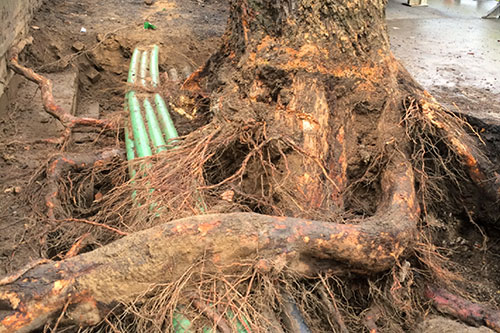
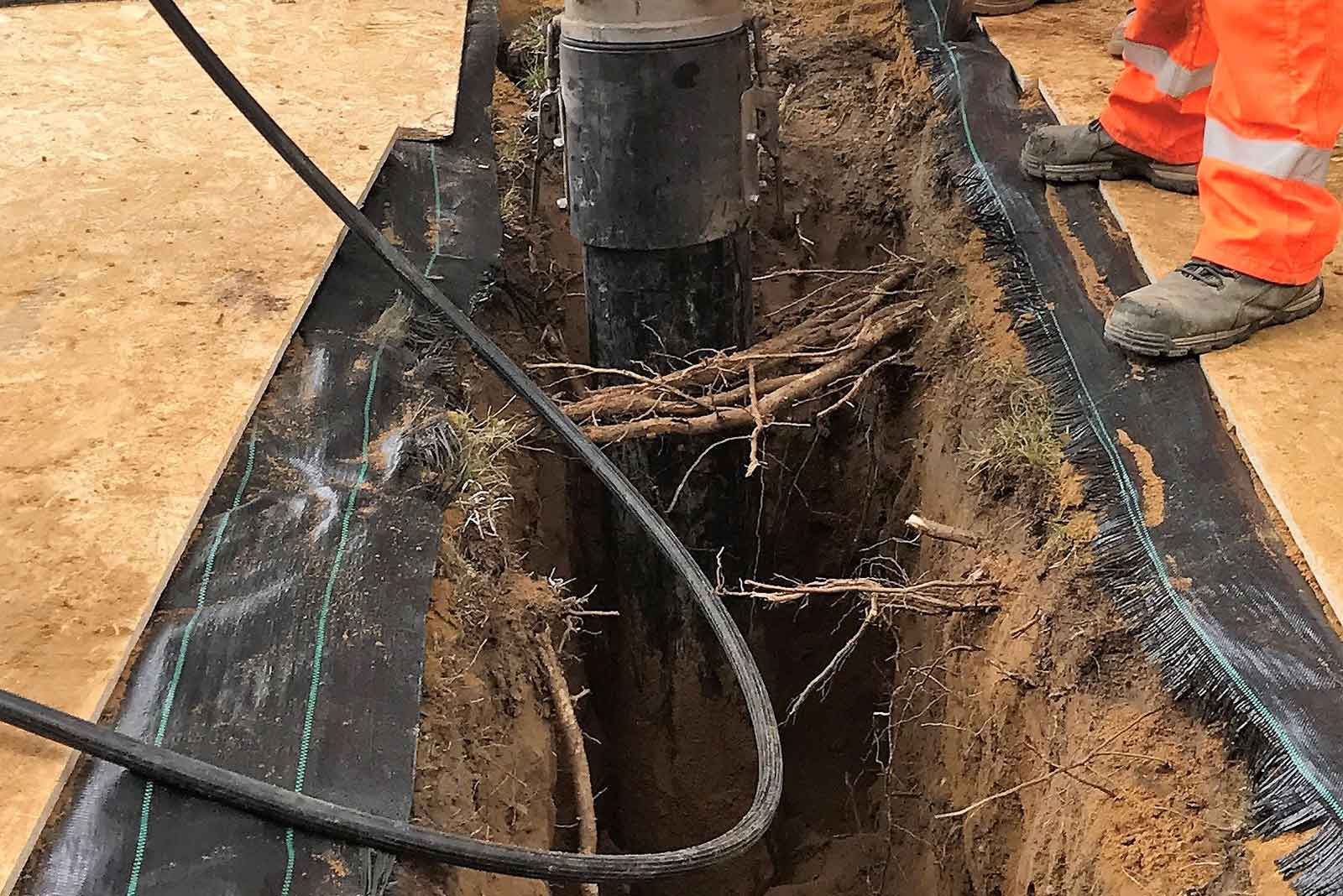
Suction excavation Technology has been specifically designed for specialist construction activities in urban and suburban areas. It assures instant operability and fast excavation without the risk of affecting or damaging any unforeseen utilities. Use of suction excavation also reduces environmental impact by overcoming possible damage to tree roots, as the suction excavator clears past these without damage.

Conroy Group was the very first to bring Suction Excavators into the UK in 2006. We have a large fleet, backed up by a wealth of experience in the industry.

Vacuum Excavation for Utility And Infrastructure Projects

Suction excavation, often referred to as vacuum excavation, has become an established method of safe digging throughout the utility and infrastructure sectors. The technique is regularly used where buried services need to be exposed without the risks associated with mechanical excavation, particularly in areas where multiple assets occupy the same corridor or where utility records may be incomplete.

Its use is common across gas, water, electric and telecoms networks, allowing contractors to safely undertake trial holes, service verification and excavation works around live infrastructure. The method is particularly effective within highways, city centres, substations and other restricted environments where minimising disruption is a key project requirement.

By removing material through controlled suction rather than traditional excavation methods, underground assets can be exposed more safely whilst reducing the likelihood of costly utility strikes, project delays and unnecessary reinstatement works.

Applications for Suction Excavation

Gas

The gas industry recognises best practice of using suction excavators for excavations in the vicinity of HV cables and similar apparatus.

Water

Up to twelve times more productive than manual excavation.

Electric

Neater finish and less of the highway is lost to excavation.

Power Stations

With many unique characteristics suction excavators can offer bespoke solutions ideal for power station requirements.

Substations

Non evasive digging offers safe excavations within substations.

Environmental

The only approved method of excavation around protected trees.

Trackside Maintenance

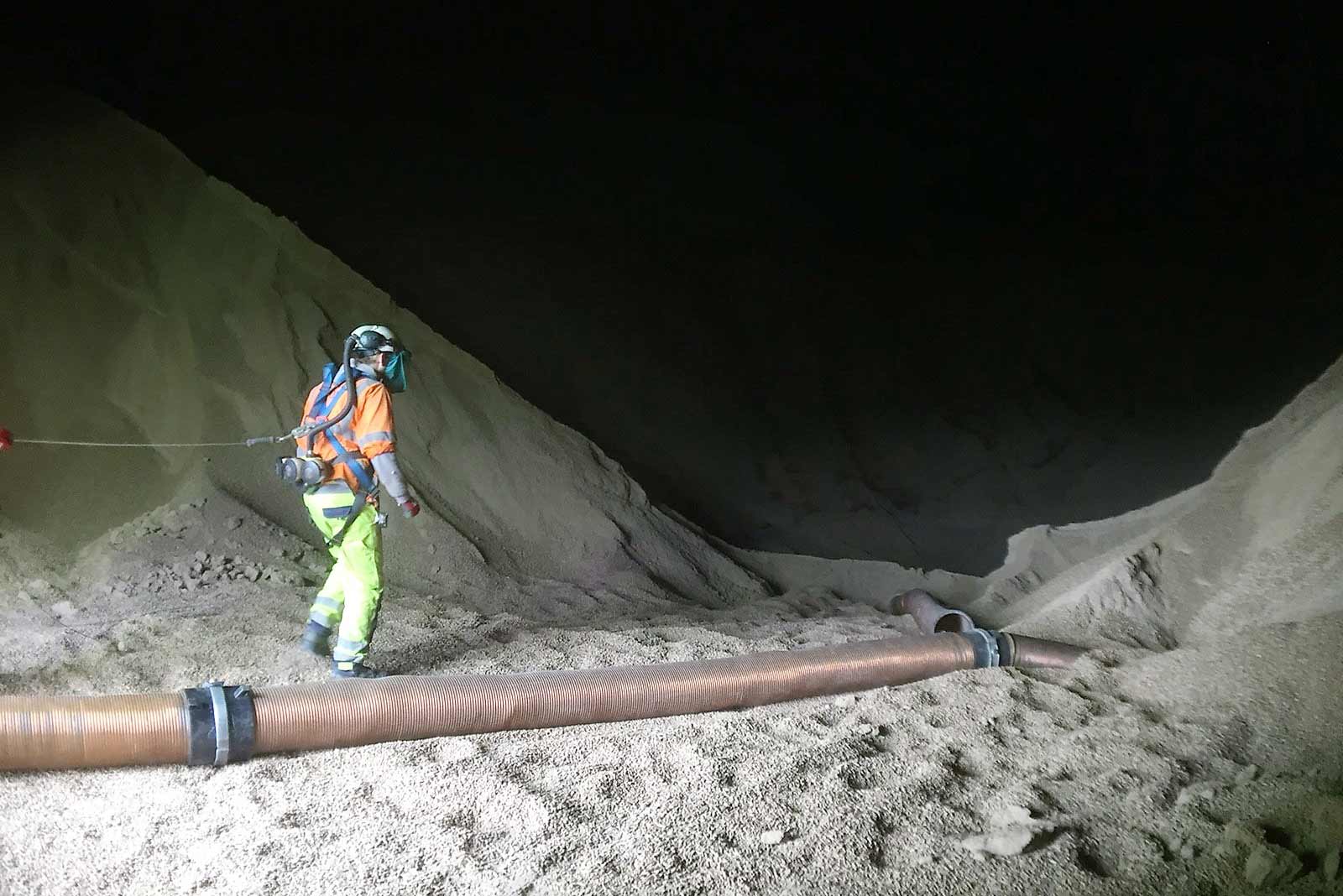
Ideal for trackside maintenance with spoil loaded directly into excavator.

City Centres

Less disruption to traffic flow in towns and cities and on major highways.

Extensions Available

Effective reach in many areas where mechanical excavation is impossible.

For more information call us on 01754 766 499 or

For more information call us on 01754 766 499 or

What is
Suction Excavation?

The suction excavator works in a similar way to a cyclonic cleaner, but with immense suction power. The high negative pressure air current removes all materials through a suction nozzle using a flexible arm attachment fixed to the back of the excavator vehicle.

The spoil collected is deposited in a self-contained unit mounted on the suction excavator vehicle. When the container reaches capacity, the lid is hydraulically opened, and the entire chamber is mechanically tipped over and the contents discharged into a low-level skip. The spoil is then removed from site and taken to either a landfill or ideally, a recycling facility.

Operating suction excavation capacities of around 45m3 per day are commonly achieved here in the UK (figure based on 26 metric tonne unit with a 7m3 container). The suction excavator is ideally suited for use in uncovering defective underground pipes and cables, which are too dangerous to expose using standard open cut procedures. It has received recognition for brand value innovation from the likes of BP & Shell.

Why use Suction Excavation?

{{title}} {{featured_image_image-size-550x550}} {{content}} {{title}} {{featured_image_image-size-550x550}} {{content}} {{title}} {{featured_image_image-size-550x550}} {{content}} {{title}} {{featured_image_image-size-550x550}} {{content}}

Safe Exposure Of Buried Utilities

One of the most common uses for suction excavation is the exposure of buried services before installation, maintenance or repair works commence. Whether confirming the location of existing infrastructure ahead of a directional drilling crossing or exposing live services within a congested urban environment, suction excavation provides a safer alternative to conventional digging methods.

The technology is widely used on utility diversion projects, highway works, rail infrastructure schemes and new developments where accurate service location is essential before construction activities begin. Its ability to remove material without direct contact with buried assets makes it particularly valuable when working around ageing infrastructure or critical utility networks.

Related Case Studies

Bowthorpe Utility Recycling Project

Bowthorpe Utility Recycling Project

Conroy Group recycled 2,450 tonnes of excavated material on site, eliminating 154 HGV movements and delivering over £40,000 in project…
Suction Excavation Productivity Case Study

Suction Excavation Productivity Case Study

A 40-day suction excavation programme across Bristol and Gloucester completed 580 excavations, averaging 14.5 excavations per day while reducing disruption…
Cranbrook Sewer Infrastructure Recycling Project

Cranbrook Sewer Infrastructure Recycling Project

Conroy Group recycled 4,000m³ of excavated material on site, eliminating 430 HGV movements, avoiding landfill disposal and removing the need…

Download our free Suction Excavation brochure

Download our free Suction Excavation brochure

Get a quote

Enter your details and we'll reply as soon as possible


    Please see our Privacy policy for GDPR information.

    For more information call us on 01754 766 499 or

    For more information call us on 01754 766 499 or

    WIRS_blue_1000-141
    Print
    Gold_RGB-141
    Stamp-141
    Audit_Stamp-141-v2
    GIRS_blue_1000-141
    FORS Standard Logo
    FORS Bronze Logo